


The Influence of Buddhism on Sri Lankan Culture
Introduction
Sri Lanka, a beautiful island nation in South Asia, has a deep-rooted connection with Buddhism. This spiritual tradition has significantly influenced the country's culture, history, architecture, and daily life. Since the introduction of Buddhism to Sri Lanka in the 3rd century BCE by Mahinda Thera, it has played a vital role in shaping the nation’s identity. For tourists and scholars alike, exploring Sri Lanka provides a unique opportunity to witness how Buddhism has left its mark on various aspects of the island.
The Arrival of Buddhism in Sri Lanka
Buddhism was introduced to Sri Lanka during the reign of King Devanampiya Tissa (247-207 BCE) by Mahinda Thera, the son of Emperor Ashoka of India. The historical meeting between Mahinda Thera and the king at Mihintale is considered a pivotal moment in Sri Lanka’s history. Following this event, Buddhism quickly spread throughout the island, influencing governance, culture, and art.
Why Choose Sri Lanka to Experience Buddhist Culture?
Rich Buddhist Heritage – Sri Lanka is home to numerous ancient temples, stupas, and sacred sites that reflect the deep Buddhist traditions of the country.
Authentic Monastic Life – The island offers opportunities to engage with Buddhist monks, meditation centers, and monasteries.
Festivals and Rituals – Tourists can experience vibrant Buddhist festivals such as Vesak and Poson, which celebrate key events in the life of the Buddha.
Serene Natural Beauty – Many Buddhist sites are located in picturesque settings, such as mountains, forests, and lakes, enhancing the spiritual experience.
Key Buddhist Cultural Influences in Sri Lanka
1. Architecture and Stupas
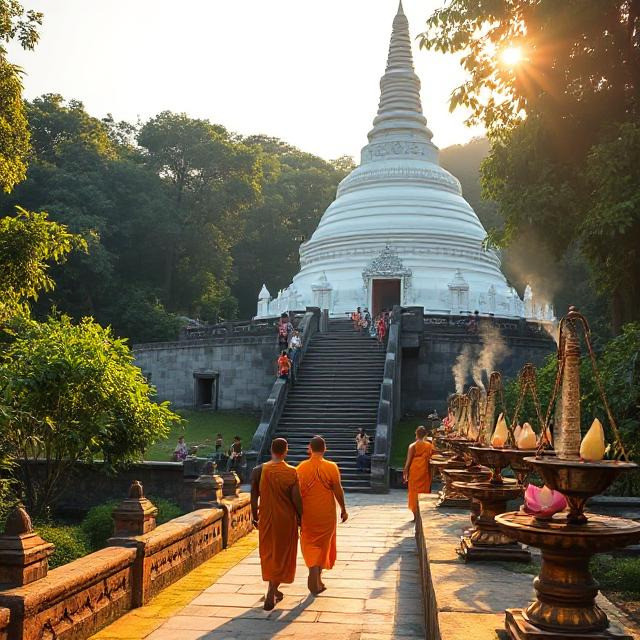
The influence of Buddhism is prominently seen in Sri Lanka’s architectural marvels. Stupas such as Ruwanwelisaya, Jetavanaramaya, and Abhayagiri Dagoba are iconic structures symbolizing Buddhist teachings. These massive structures, built by ancient kings, serve as places of worship and pilgrimage for Buddhists worldwide.
2. Sacred Sites and Pilgrimage Locations
Sri Maha Bodhiya in Anuradhapura – The oldest recorded tree in the world, grown from a sapling of the Bodhi tree under which the Buddha attained enlightenment.
Temple of the Tooth Relic in Kandy – One of the most sacred Buddhist sites, housing the relic of the Buddha’s tooth.
Dambulla Cave Temple – A UNESCO World Heritage Site, famous for its rock paintings and Buddha statues.
3. Buddhism and Sri Lankan Society
Buddhism plays a central role in Sri Lankan daily life. Many Sri Lankans practice Theravāda Buddhism, following the teachings of the Pāli Canon. Buddhist principles influence societal values, laws, and even the education system. Many schools incorporate Buddhist teachings and meditation practices in their curriculum.
4. Buddhist Festivals and Celebrations
Vesak Poya – Celebrates the birth, enlightenment, and passing away of Gautama Buddha.
Poson Poya – Commemorates the arrival of Buddhism in Sri Lanka by Mahinda Thera.
Esala Perahera – A grand Buddhist festival in Kandy, featuring a majestic procession in honor of the Sacred Tooth Relic.
The Role of Buddhism in Sri Lankan Governance and History
Historically, Sri Lankan kings have closely associated themselves with Buddhism. From the reign of King Devanampiya Tissa to the Polonnaruwa Kingdom, rulers have patronized Buddhism, building temples, monasteries, and stupas across the country. This connection is still evident today, as Buddhism continues to influence Sri Lanka’s governance and national identity.
Buddhism’s Impact on Sri Lankan Art and Literature
The artistic and literary heritage of Sri Lanka has been heavily shaped by Buddhist themes. Ancient rock carvings, temple murals, and cave paintings depict scenes from the Jataka tales (stories of Buddha’s past lives). Buddhist texts, written in Pāli and Sinhala, have preserved the teachings and history of Buddhism in Sri Lanka for centuries.
Modern-Day Buddhist Practices in Sri Lanka
Meditation Retreats – Many travelers visit Sri Lanka for spiritual retreats and mindfulness meditation at Buddhist monasteries such as the Nilambe Meditation Centre and Kanduboda Meditation Centre.
Monastic Life – Tourists and practitioners can experience Buddhist monastic traditions by spending time at temples and engaging in Dhamma discussions.
Almsgiving (Dana) – A vital practice where laypeople offer food and necessities to monks, reinforcing the bond between the community and the monastic order.
Conclusion
The influence of Buddhism on Sri Lankan culture is profound, touching every aspect of life, from governance and architecture to art, festivals, and daily practices. For tourists and scholars, Sri Lanka offers an unparalleled experience of Buddhist heritage, making it a must-visit destination for those interested in spirituality and history. Whether you are visiting the sacred city of Anuradhapura, meditating in the hills of Kandy, or exploring the rock temples of Dambulla, the essence of Buddhism is deeply embedded in the island’s soul.
 The Influence of Buddhism on Sri Lankan...