

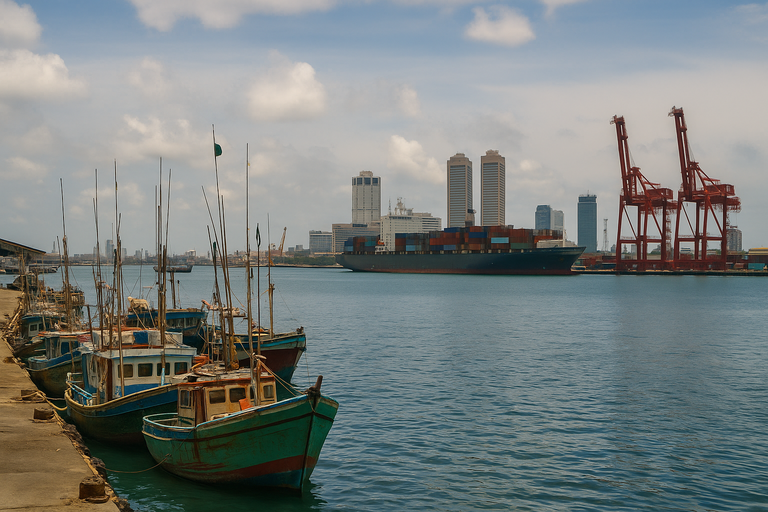

Infrastructure and Development Projects in Sri Lanka
Infrastructure development has been at the core of Sri Lanka’s economic transformation, shaping connectivity, trade, and investment. From ancient irrigation systems to modern highways and ports, the island’s infrastructure reflects its long-standing commitment to progress and innovation.
Ancient Engineering Marvels
---------------------------
Sri Lanka’s history of infrastructure development dates back to the Anuradhapura and Polonnaruwa periods, when kings constructed massive reservoirs and canals. These ancient systems, such as Kala Wewa, Minneriya, and Parakrama Samudraya, not only supported agriculture but also became a foundation for sustainable settlement and trade. The design and engineering precision of these projects continue to impress modern hydrologists.
Colonial-Era Infrastructure
----------------------------
During the British colonial period (1796–1948), Sri Lanka experienced a new wave of infrastructural transformation. The British built roads, railways, and ports to facilitate plantation exports like tea, coffee, and rubber. The Colombo Port became one of the busiest in Asia, and the railway network connected the hill country to coastal cities. While much of this infrastructure served colonial interests, it laid the foundation for future development.
Post-Independence Expansion
----------------------------
After independence, successive governments prioritized national infrastructure. The 1960s and 1970s saw the establishment of power plants, irrigation schemes, and housing projects. The Mahaweli Development Project remains one of the largest post-independence infrastructure initiatives, providing hydroelectric power, irrigation, and resettlement opportunities for thousands of families.
Modernization and Urban Growth
-------------------------------
The late 20th and early 21st centuries brought rapid urbanization and modernization. The construction of expressways, new airports, and industrial zones transformed the nation’s economic landscape. Notable projects include:
- The Southern and Central Expressways, connecting Colombo with key cities.
- The Colombo Port City project, envisioned as a modern financial and residential hub.
- The Hambantota Port and Mattala Rajapaksa International Airport, built to boost trade and tourism.
Challenges and Opportunities
-----------------------------
Despite progress, Sri Lanka faces several challenges in maintaining and expanding its infrastructure. Heavy reliance on foreign loans, underutilized mega projects, and delays in public-private partnerships have raised questions about long-term sustainability. However, new opportunities are emerging in renewable energy, technology parks, and digital infrastructure.
Sustainability and Future Vision
--------------------------------
Sri Lanka’s future infrastructure goals are centered around sustainability, smart technology, and inclusivity. Investments in renewable energy, electric mobility, and smart urban planning are expected to define the next decade. Strengthening rural connectivity and promoting green construction will ensure that growth benefits all regions equitably.
Conclusion
----------
Infrastructure has always been the backbone of Sri Lanka’s development journey. From ancient tanks to futuristic smart cities, the island’s evolution showcases resilience, innovation, and vision. With careful planning and sustainable investments, Sri Lanka can continue to strengthen its position as a modern, well-connected, and prosperous nation.
Published by Journal of Sri Lanka – www.journalofsrilanka.com
 Infrastructure and Development Projects...