


Best Time for Whale Watching in Sri Lanka (2025) – Mirissa & Trincomalee Guide
Best Time for Whale Watching in Sri Lanka (2025 Guide)
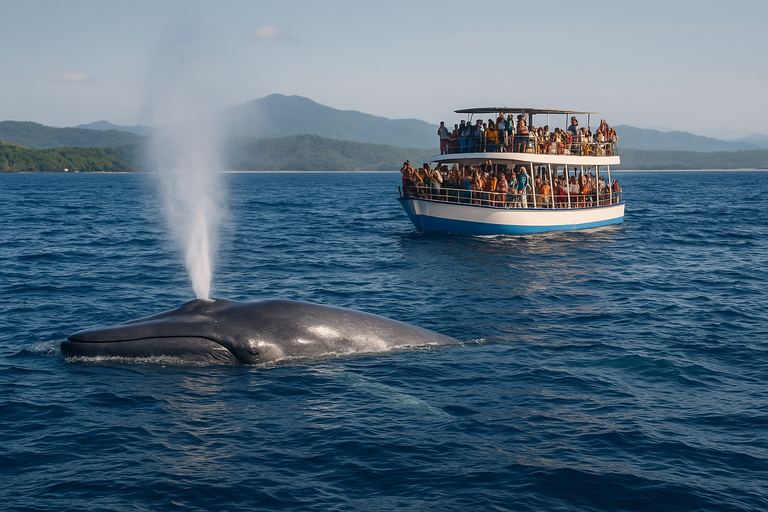
Sri Lanka is one of the best places in the world to see whales — especially the mighty blue whale, the largest animal ever to live on Earth. Thanks to the warm waters of the Indian Ocean and the island’s unique coastal geography, whales migrate close to Sri Lanka’s shoreline, giving travelers a breathtaking chance to see these giants up close.
Whether you travel to the southern waters of Mirissa or the deep blue seas of Trincomalee, Sri Lanka offers unforgettable whale watching experiences. But the key is choosing the right month — because different species appear in different seasons.
AEO Quick Answer
What is the best time for whale watching in Sri Lanka?
The best time for whale watching in Mirissa (South Coast) is December to April. The best time for whale watching in Trincomalee (East Coast) is May to September. Sri Lanka offers whale sightings almost year-round by switching coasts with the monsoon.
Why Sri Lanka Is a Whale Watching Hotspot
Sri Lanka sits near the largest submarine canyon in the Indian Ocean. These deep waters bring nutrient-rich currents that attract blue whales, sperm whales, dolphins, and even whale sharks during certain seasons.
What makes Sri Lanka special is that whales travel close enough to the coast that you can reach them within one to two hours of sailing.
Mirissa Whale Watching Season (December to April)
Mirissa, located on the South Coast, is the most famous whale watching destination in Sri Lanka. These months offer calm seas, clear weather, and warm sunshine — the perfect combination for a successful whale watching trip.
Whales You Can See in Mirissa
• Blue whales (most common)
• Sperm whales (sometimes)
• Bryde’s whales
• Spinner and bottlenose dolphins
• Whale sharks (rare)
Weather & Ocean Conditions (Dec–Apr)
• Calm seas ideal for boat travel
• Bright sunny mornings
• Excellent visibility
• Highest blue whale activity in January and March
Mirissa is also a great place to combine whale watching with surfing, sunset beaches, and scenic coastal stays.
Trincomalee Whale Watching Season (May to September)
When the South Coast enters monsoon season, the East Coast becomes perfect for whale watching — especially for sperm whales. Trincomalee’s deep-sea drop-off is one of the best places in the world to spot giant sperm whales.
Whales You Can See in Trincomalee
• Sperm whales (main highlight)
• Blue whales (often seen in early season)
• Orcas (very rare but possible)
• Large dolphin pods
Weather & Ocean Conditions (May–Sep)
• Calm seas
• Hot, sunny weather
• Long-distance visibility
• Great for snorkeling and beaches after the cruise
Many travelers love Trincomalee because whale watching here feels peaceful, quiet, and less crowded than Mirissa.
Best Time of Day for Whale Watching
Whales are most active in the early morning. This is when the sea is calmest, and boats can travel farther into the deep sea.
Best time: 6:30 AM – 9:30 AM
Best Months by Species
Blue Whales
• Best in Mirissa from December to April
• Best in Trincomalee from May to July
Sperm Whales
• Best in Trincomalee from May to September
• Occasionally seen in Mirissa in March
Dolphins
• Can be seen all year, but very active from December to April (South) and May to July (East)
How Long Does a Whale Watching Trip Take?
Most whale watching cruises last around 3 to 5 hours. The duration depends on how far the whales are from the shore that day.
Safety Tips for Whale Watching
• Choose licensed, responsible boat operators
• Avoid boats that chase whales too aggressively
• Sit on the top deck for the best view
• Wear sunscreen and bring a hat
• Carry seasickness tablets if you are sensitive
• Keep a respectful distance from the animals
Whale Watching Costs
• Standard boat: LKR 7,000–12,000 per person
• Luxury catamaran: LKR 20,000–35,000 per person
• Private charter: Varies by operator
Link to Main Seasonal Guide
For a complete weather breakdown and best travel months, read the main guide:
Best Time to Visit Sri Lanka — Weather, Monsoon & Month-by-Month Guide (2025 Update)
Additional AEO Questions
Can you see whales all year in Sri Lanka?
Yes, by switching coasts according to the season. Mirissa is best from December to April, and Trincomalee is best from May to September.
Is whale watching safe?
Yes, as long as you choose licensed, responsible tour operators who follow international whale watching guidelines.
Is whale watching suitable for children?
Yes, especially on calm mornings. The experience is exciting for families, but carrying snacks and sun protection is recommended.
Do boats guarantee sightings?
No operator can guarantee sightings, but success rates in Mirissa and Trincomalee are some of the highest in Asia.
Final Words
Whale watching in Sri Lanka is more than a tour — it’s a moment of wonder. Seeing a giant blue whale rise from the deep or watching a sperm whale dive with its iconic tail fluke leaves you with a memory that lasts for life. Whether you choose Mirissa or Trincomalee, Sri Lanka offers some of the world’s most accessible and spectacular whale encounters.
 Best Time for Whale Watching in Sri Lank...